What Determines the Price of Raw Honey? Understanding Raw Honey Cost Factors
If you’ve ever wandered down the honey aisle, you might have noticed something curious. Why does raw honey sometimes cost a pretty penny, while other jars seem almost too cheap to be true? I’ve been there, scratching my head, wondering what exactly drives the price of this golden delight. So, let’s dive into the world of raw honey and uncover the key factors that determine its cost.
The Buzz Behind Raw Honey Cost Factors
Raw honey isn’t just sweet nectar in a jar. It’s a product of nature, hard work, and a bit of magic from our buzzing friends - the bees. Several factors come into play when setting the price tag on raw honey. Here’s a quick rundown of the main raw honey cost factors:
Source of Nectar: Different flowers produce different types of honey. Some floral sources are rare or seasonal, making the honey more expensive.
Harvesting Method: Raw honey is often harvested by hand, which takes time and care to avoid damaging the honeycomb or the bees.
Processing: Unlike commercial honey, raw honey is minimally processed. It’s not heated or filtered heavily, preserving its natural enzymes and nutrients.
Location: Where the honey is produced matters. Remote or organic farms might have higher costs.
Bee Health and Maintenance: Keeping bees healthy requires investment in their care, especially with threats like colony collapse disorder.
Packaging and Branding: Eco-friendly packaging or artisanal branding can add to the cost.
Each of these factors adds a layer to the final price. It’s like baking a cake - the quality of ingredients and the effort you put in will show in the taste and cost.

Close-up of raw honeycomb showcasing natural honey texture
How Flower Source Influences Raw Honey Price
Ever heard of manuka honey? It’s one of the most famous examples of how the flower source can skyrocket honey prices. Manuka honey comes from the manuka bush in New Zealand and is prized for its unique antibacterial properties. Because the manuka bush blooms only in certain regions and seasons, the honey is rare and expensive.
But it’s not just manuka. Other floral sources like wildflower, clover, or acacia honey each have their own flavor profiles and availability. If bees forage in areas with diverse wildflowers, the honey tends to be more complex and sometimes more costly.
The rarity and quality of the nectar source directly impact the honey’s flavor, color, and health benefits. So, when you see a jar labeled “single-flower” or “monofloral,” you’re often paying a premium for that specific floral character.
Is Honey Good for Colon Inflammation?
You might be wondering if raw honey is just a sweet treat or if it offers health perks too. When it comes to colon inflammation, some studies suggest that raw honey can be beneficial. Its natural antioxidants and anti-inflammatory compounds may help soothe the digestive tract.
Raw honey contains enzymes and bioactive compounds that can support gut health. For people dealing with mild colon inflammation, incorporating raw honey in moderation might provide relief. However, it’s important to remember that honey is not a cure-all. If you have serious digestive issues, always consult a healthcare professional.
Still, it’s pretty neat to know that your spoonful of honey might be doing more than just sweetening your tea!
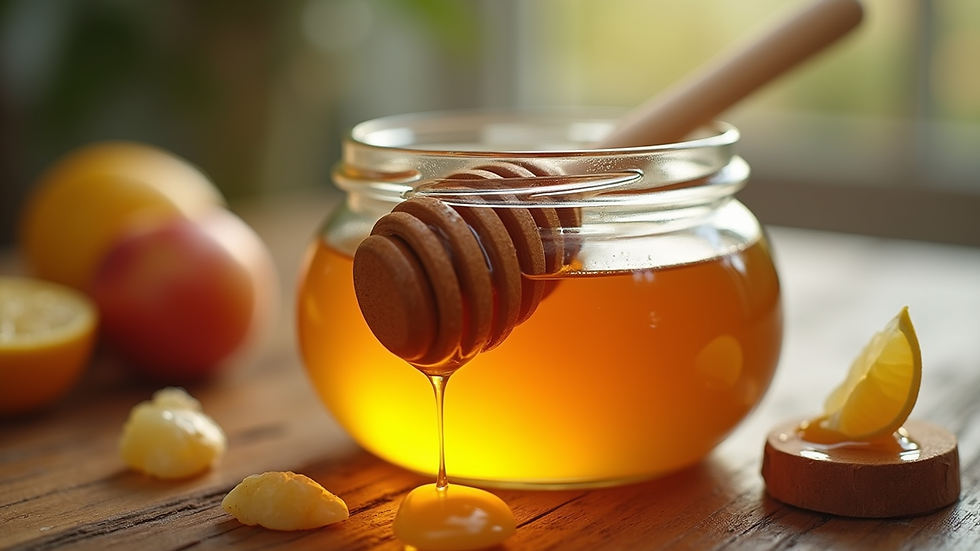
Eye-level view of raw honey jar with wooden dipper ready for serving
Why Harvesting and Processing Affect Raw Honey Cost
Harvesting raw honey is a labor of love. Unlike commercial honey, which is often pasteurized and filtered to look clear and uniform, raw honey is kept as natural as possible. This means:
Hand Extraction: Beekeepers carefully remove honeycombs without harming the bees or the hive.
Minimal Processing: Raw honey is strained gently to remove large debris but retains pollen, propolis, and enzymes.
No Heating: Heating honey can destroy beneficial enzymes and alter flavor, so raw honey is kept at low temperatures.
All these steps require more time and care, which naturally increases the cost. Plus, beekeepers often work on a smaller scale, focusing on quality over quantity.
If you think about it, raw honey is like a handcrafted piece of art compared to mass-produced honey. That craftsmanship is part of what you’re paying for.
Location and Bee Health: The Hidden Cost Drivers
Where the honey comes from matters a lot. Beekeeping in remote or organic areas often means higher costs for transportation, labor, and maintaining sustainable practices. For example, honey from mountain regions or protected forests might be more expensive due to limited access and smaller harvests.
Bee health is another crucial factor. Bees face many threats today, including pesticides, diseases, and habitat loss. Responsible beekeepers invest in maintaining strong, healthy colonies. This includes:
Providing natural forage
Avoiding harmful chemicals
Regular hive inspections and treatments
These efforts cost money but ensure the bees thrive and produce high-quality honey. When you buy raw honey, you’re often supporting these sustainable practices.
Packaging and Branding: The Final Touch on Raw Honey Price
Ever noticed how some honey jars look like they belong in a fancy boutique? Packaging can make a big difference in price. Eco-friendly glass jars, custom labels, and artisanal branding all add to the cost.
While packaging doesn’t affect the honey’s quality, it reflects the producer’s values and target market. Some consumers are willing to pay more for honey that comes in recyclable or reusable containers or that supports local artisans.
So, the next time you pick up a jar, take a moment to appreciate the story behind it - from the bees to the label.
How to Choose Raw Honey Without Breaking the Bank
Now that you know what drives the price of raw honey, how do you pick the best jar for your budget? Here are some tips:
Look for Local Producers: Local honey often costs less and supports your community.
Check the Label: Look for “raw,” “unfiltered,” and “unpasteurized” to ensure quality.
Consider Floral Source: If you want a unique flavor, try monofloral honey, but expect to pay more.
Buy in Bulk: Larger jars usually offer better value per ounce.
Ask Questions: Don’t hesitate to ask beekeepers or sellers about their harvesting and processing methods.
By being informed, you can enjoy delicious raw honey without overspending.
Wrapping Up the Sweet Story of Raw Honey Cost Factors
Raw honey is more than just a sweetener. It’s a product of nature, hard work, and care. The price you pay reflects the flower source, harvesting methods, bee health, location, and even packaging choices. Next time you reach for that jar, you’ll know exactly what goes into that golden goodness.
If you want to explore more about the raw honey price and what influences it, keep digging into the fascinating world of bees and their craft. After all, every drop tells a story worth savoring.


Comments